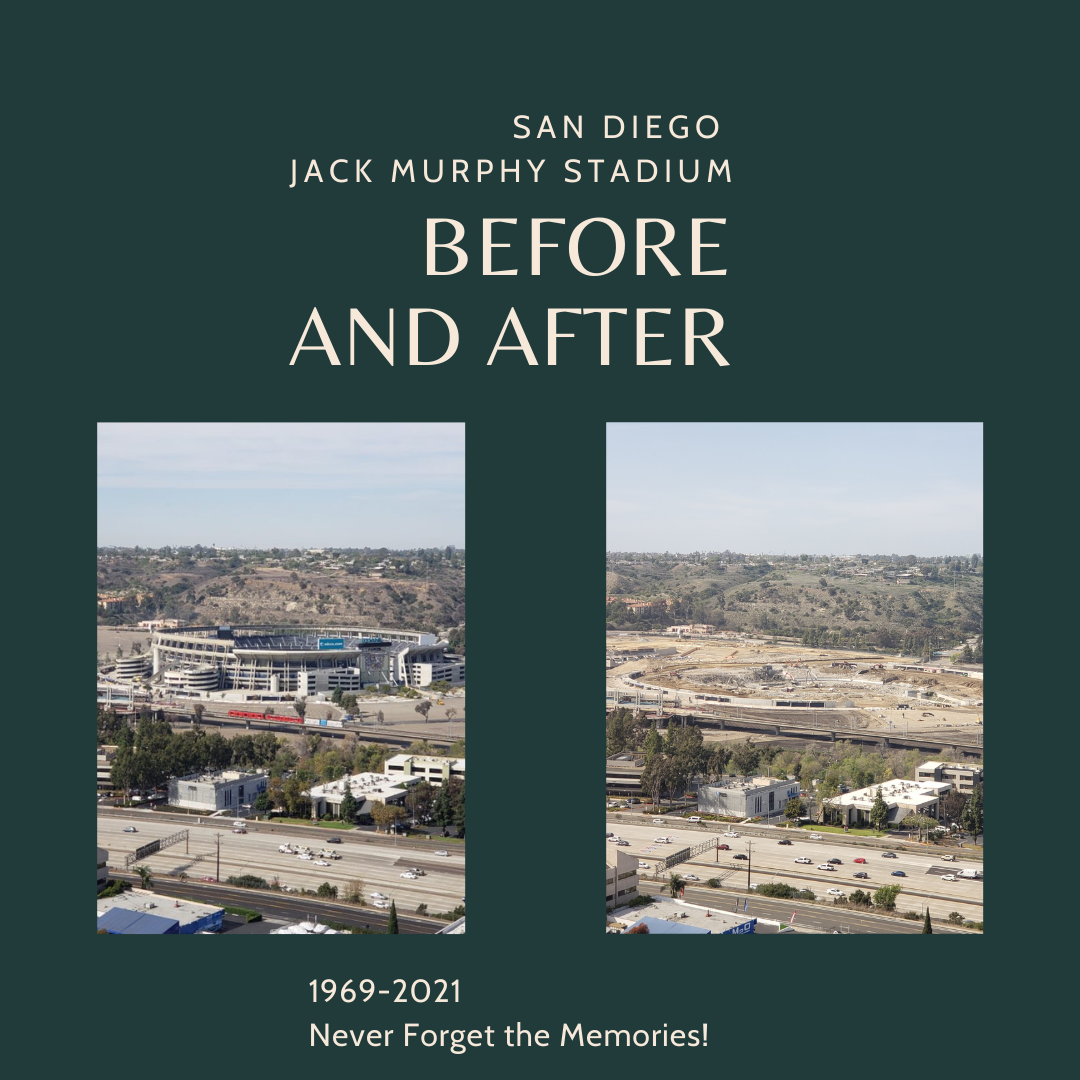
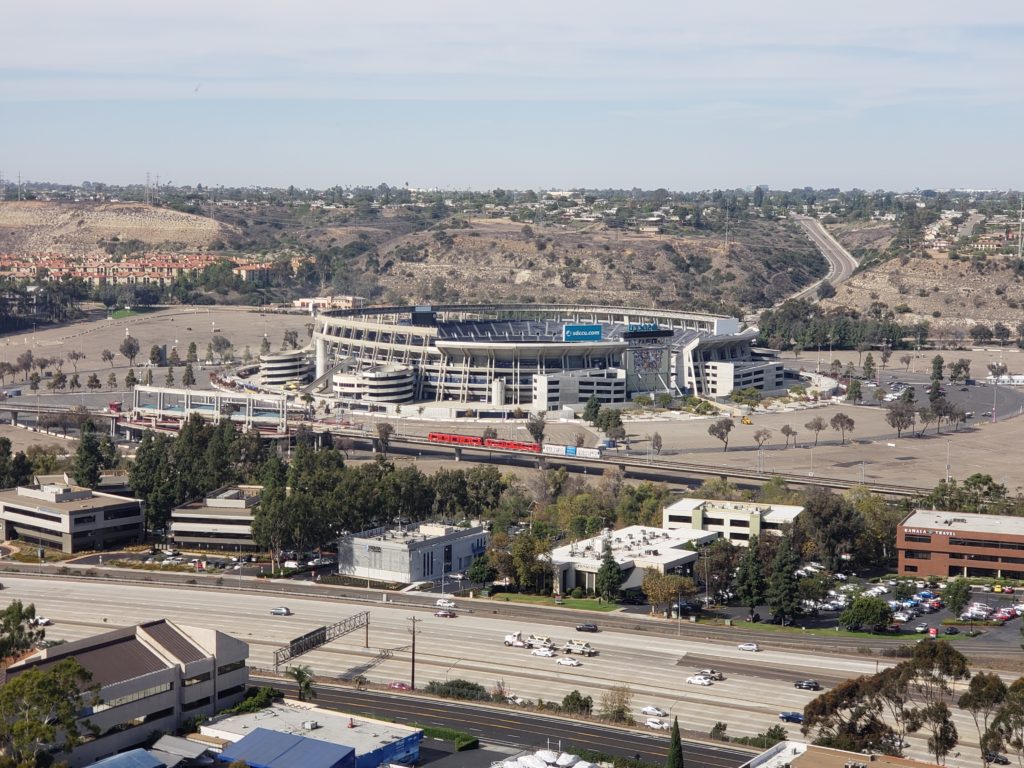
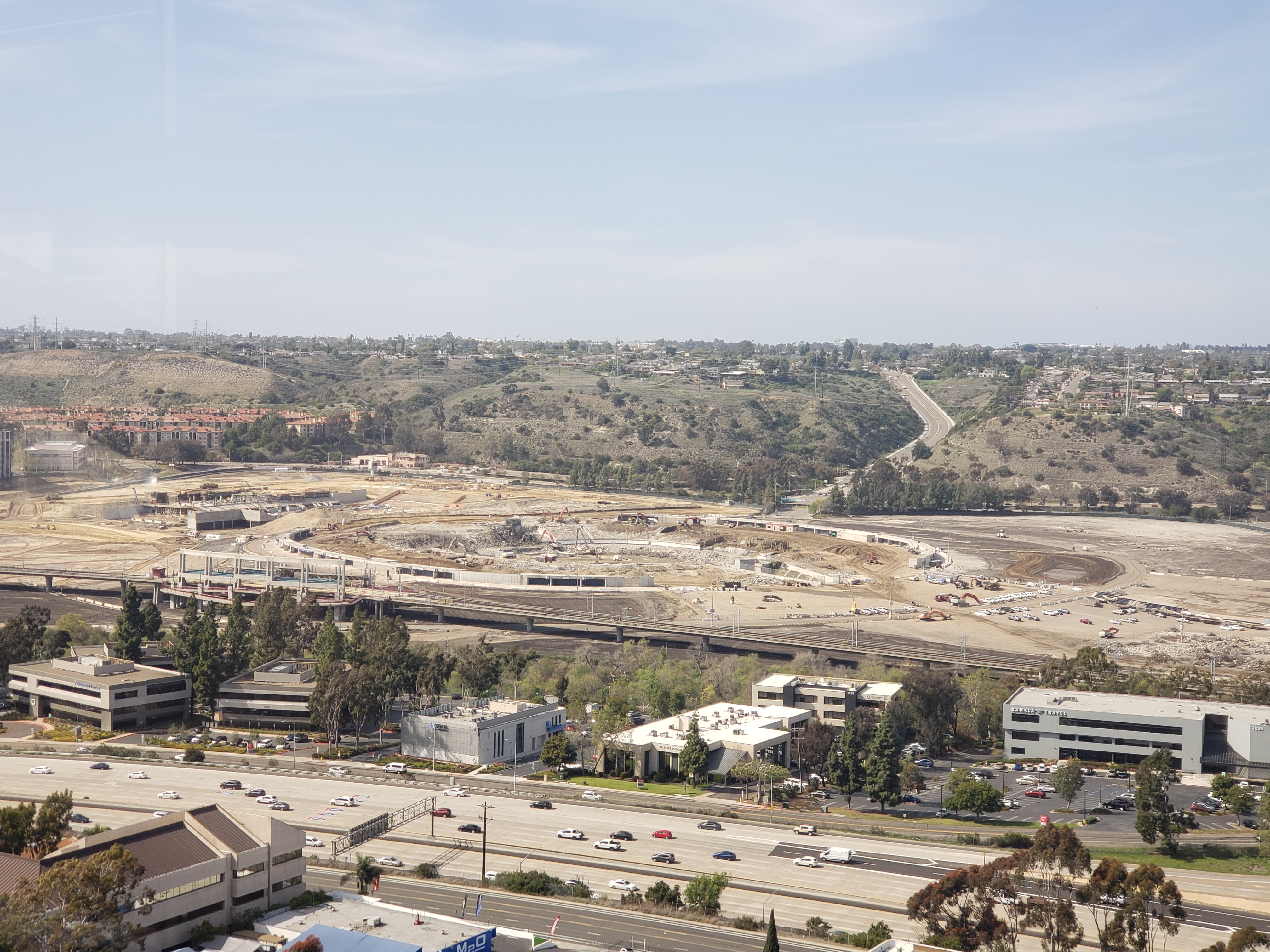
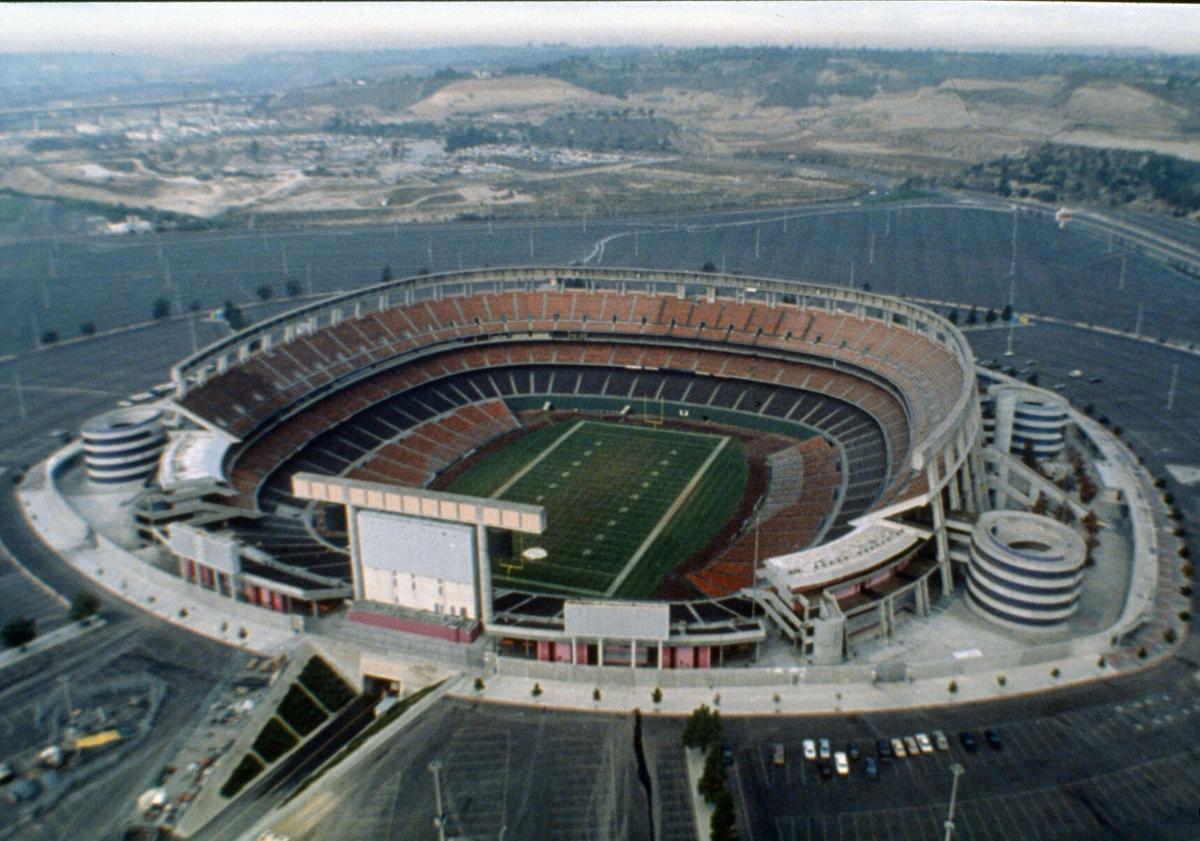
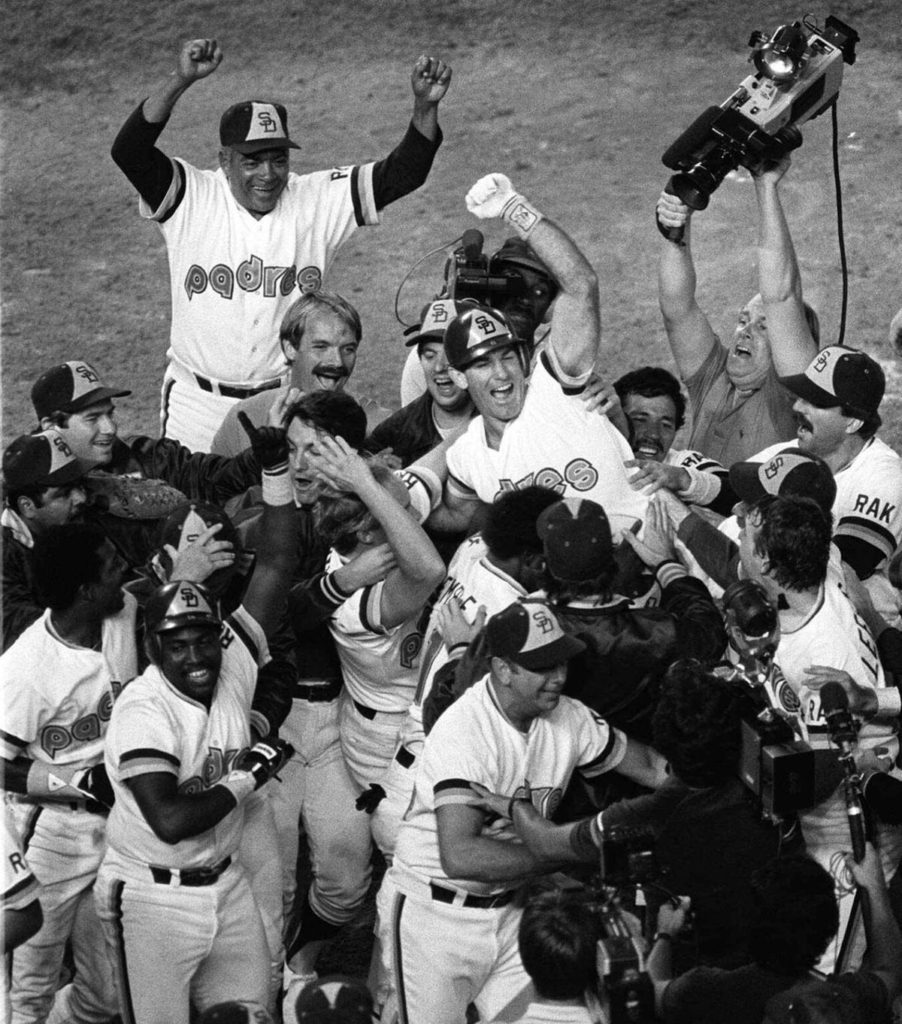
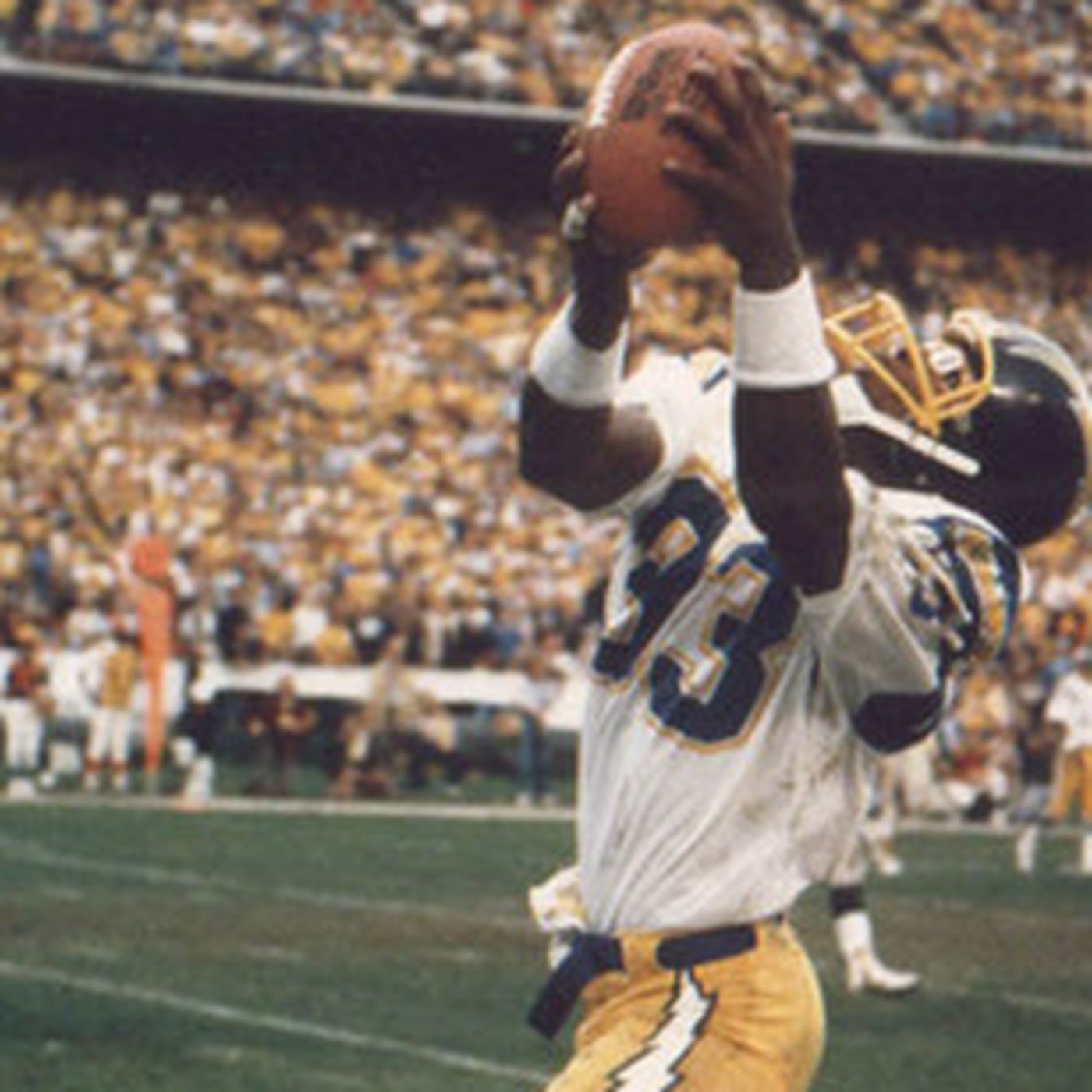
So this article is just to remind you that The Murph is only memories now. Too bad Team Spanos (and the NFL) could not save that place. Remember all the tailgating? It was like you died and were transported to tailgate heaven! Year after year, season after season, brats, ribs, chicken, carne, shrimp, fish, and of course hot dogs and hamburgers! It was really amazing all the food (and drinks). Street football in the parking lot (until cops come by) and babes everywhere! So these images are to remind you to appreciate everyday, especially appreciate the largest stadium tailgate parking lot in the entire NFL. Thanks for all the great memories San Diego! KGB Sky Shows! Car Shows, Chargers, Padres, Rolling Stones, The Who, Motocross , Monster Trucks, World Series, Superbowls, Trevor Hoffman Hells Bells! etc.
SAN DIEGO (AP) — The biggest piece of San Diego’s sports history is slowly being knocked down and ground to bits.
They’re tearing down the stadium once affectionately known as “The Murph.”
Every day, heavy equipment obliterates more and more of 70,000-seat SDCCU Stadium in Mission Valley, where Hall of Fame careers were born and most of the city’s biggest sports moments occurred.
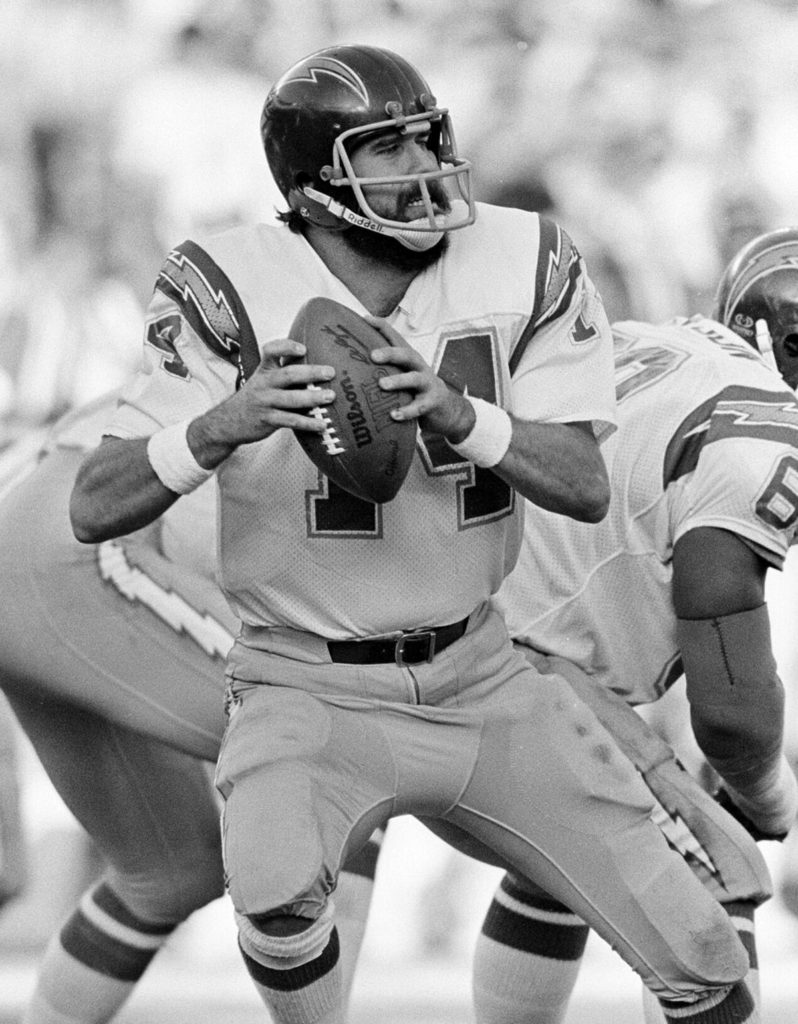
Dan Fouts guided Air Coryell to takeoff there and Junior Seau stopped ball carriers with bone-rattling tackles.
Tony Gwynn wore out the “5.5 hole” between third base and shortstop and Trevor Hoffman first trotted out of the bullpen to the ominous gongs of “Hells Bells” at the big stadium on Friars Road.
The San Diego Chicken’s brand of fowl humor was hatched there during the rowdy ’70s.
Generations of fans are bummed that, due to the coronavirus pandemic, they didn’t get to say a proper goodbye to the place where they tailgated with gusto in the massive parking lot before cheering on the Chargers, Padres and Aztecs, or watched myriad other events and concerts.
It’s also melancholy for those who performed there.
“We didn’t even have one last house party for the place,” said Ted Giannoulas, 67, who is semi-retired as the San Diego Chicken after a career of making fans laugh by poking fun at umpires, opposing players and his favorite foil, former Los Angeles Dodgers manager Tommy Lasorda.
“To see The Murph being taken apart like that is a letdown, to be polite,” Giannoulas said. “I saw it as the heart of the town, the spirit of San Diego.”
San Diego State University is demolishing the 53-year-old stadium while building a 35,000-seat stadium next door as the first phase of a campus expansion.
SDCCU Stadium had fallen into disrepair and fans knew it eventually would come down. The Chargers pushed for nearly 15 years to get a new stadium built. After a 2016 ballot measure failed, they bolted for Los Angeles. San Diego State prevailed at the ballot box in 2018 to win the right to buy 132 of the site’s 166 acres.
SDSU planned to continue playing at SDCCU Stadium while building its new stadium, set to open in 2022. But when it became clear fans wouldn’t be allowed at games due to the pandemic, the Aztecs decided to play at a suburban Los Angeles MLS stadium and begin tearing down SDCCU Stadium.
The last game there was Iowa’s 49-24 victory over Southern California in the 2019 Holiday Bowl.
Known as San Diego Stadium when it opened in 1967, it was renamed Jack Murphy Stadium in 1981 for the late sports editor of The San Diego Union. Murphy helped persuade hotelier Barron Hilton to move his Chargers from Los Angeles to San Diego in 1961, and then championed the stadium’s construction to replace Balboa Stadium. It was expanded in 1997 and renamed Qualcomm Stadium.
But to many, it will always be known as The Murph.
“Anytime you want to bond with a San Diegan, whether it’s here or anywhere across the country, just say the words, ‘The Murph, what about The Murph,’” Giannoulas said. “The smiles would automatically cross their face, and the happiness, the memories, the joy were just remarkable.”
Giannoulas estimated he performed at the stadium 780 times dating to April 9, 1974, mostly during Padres games and in the climactic scene in “Attack of the Killer Tomatoes!”
The Chicken debuted the same night new Padres owner Ray Kroc of McDonald’s fame addressed the crowd in between innings, saying in part, “I have never seen such stupid ballplaying in my life.” Kroc’s remarks were interrupted by a streaker.
Air Coryell took off in the late 1970s under coach Don Coryell. While there were many big moments, Fouts prefers to remember “just a special team with a bunch of special people and a special coach,” as well as the fans.
He mentions teammates like fellow Hall of Famers Charlie Joiner and Kellen Winslow, as well as Wes Chandler, John Jefferson and Chuck Muncie. “The list goes on and on,” Fouts said. “We knew that when we had to get it done to win at the end of the game, we could reach down deep and then feel the energy of the stadium just carry us down the field at times. It was really, really fun. Plus the weather was always good. I was very fortunate.”
Fouts will never forget the Holy Roller, the controversial game-winning play by Ken Stabler and the Oakland Raiders on Sept. 10, 1978.
“Just how unbelievable it was that the officials would allow an incomplete pass to be ruled a fumble,” Fouts said. “You know it was a bad play because they had to change the rule the next year to straighten it out.”
Hours after the Chargers stunned the Pittsburgh Steelers in the AFC Championship Game on Jan. 15, 1995, to reach their only Super Bowl, they were welcomed home by fans who packed The Murph beyond capacity.
The Chargers owned San Diego. Among the many times the stadium shook were when LaDainian Tomlinson set the NFL’s single-season touchdown record in 2006 and when Darren Sproles scored in overtime to upset Peyton Manning and the Indianapolis Colts in the 2009 playoffs.
Doug Williams became the first Black quarterback to win the Super Bowl when it was played at The Murph in 1988. John Elway finally won his first Super Bowl in 1998 at Qualcomm Stadium.
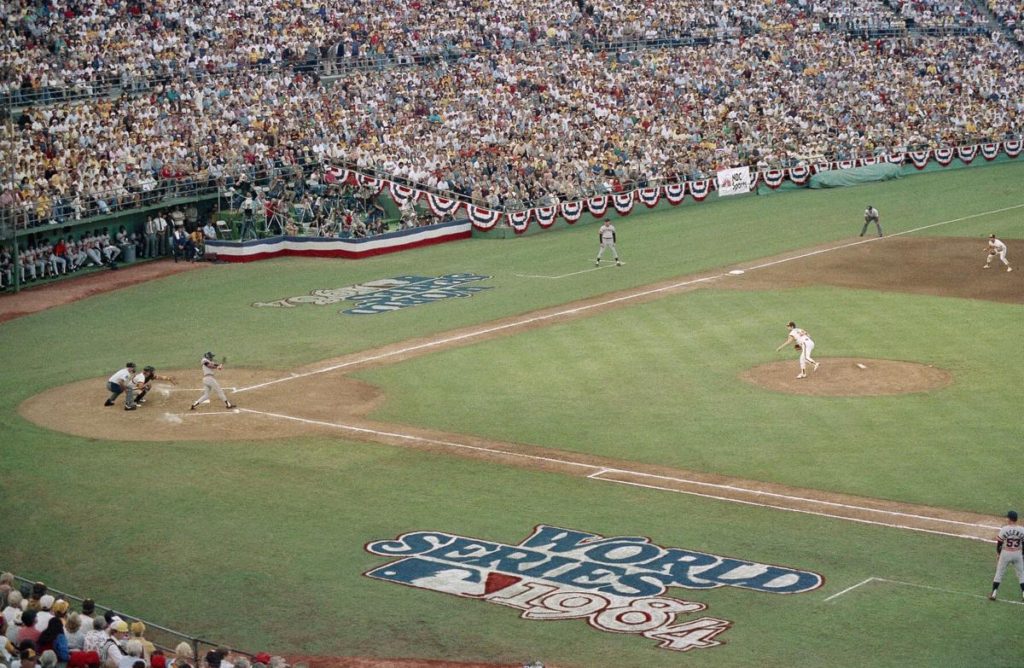
Steve Garvey’s walk-off homer at The Murph in Game 4 of the NLCS against the Chicago Cubs in 1984 remains one of the Padres’ biggest moments. The Padres won their first pennant the next day. They also reached the World Series in 1998.
Hoffman will never forget the fans dialing up the volume in October 1998.
“That whole month of playoff baseball was just loud,” said Hoffman, inducted into the Hall of Fame in 2018. “The energy started an hour before the game inside of it; a couple of hours in the parking lot before that. Just the energy that I felt in playoff baseball in ’98 was pretty spectacular.”
On July 25, 1998, Hoffman first jogged out of the bullpen to AC/DC’s “Hells Bells,” which over the next 12 seasons became one of the most memorable entrance songs in the majors.
“I kind of remember how it kind of caught the crowd off guard,” he said. “It wasn’t like entrance songs were overly popular at that point in time. … It certainly over time was really cool, just the anticipation of when I finished my warmup tosses and turned to run onto the field.”
When the Padres moved downtown to Petco Park in 2004, owner John Moores gave Hoffman the pitching rubber from the bullpen.
Roseanne Barr screeched through the national anthem before a Padres game in 1990. SDSU’s Marshall Faulk ran wild for three seasons. Jim McMahon and BYU made the Holiday Bowl a big deal with a miraculous comeback in 1980.
Fans have been able to buy stadium seats for $299 a pair and bid on other memorabilia.
Years ago, when the old multicolored seats were replaced by blue seats, Fouts bought six brown and four orange seats. He has them strategically located on his 40-acre, ridgetop spread in Oregon, “looking out over mountains and forests. It means a great deal to me.”
Does he have any other memorabilia from the stadium?
“Just scars,” Fouts deadpanned.
Those will never go away. The Murph will soon be gone.
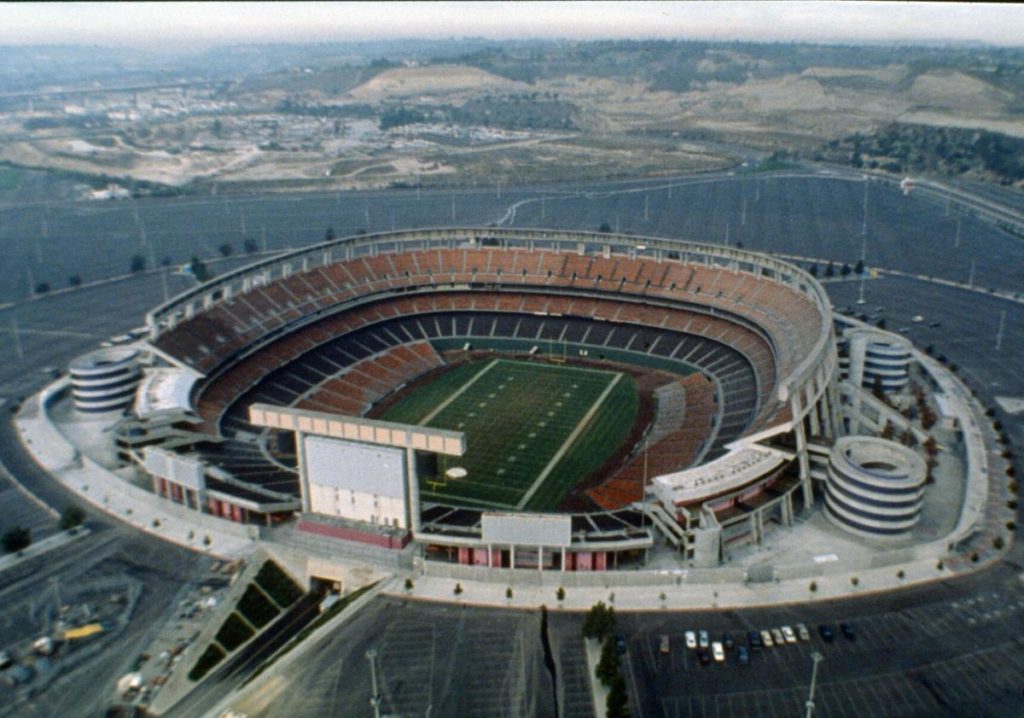
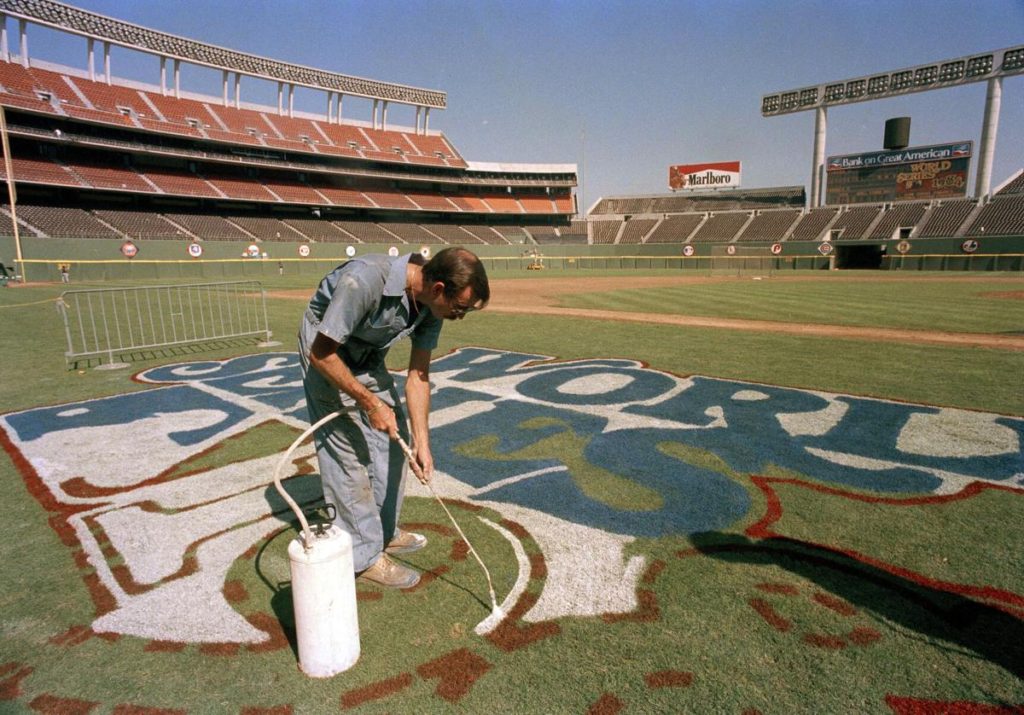
FILE – In this Oct. 9, 1984, file photo, San Diego Padres pitcher Mark Thurmond throws a pitch toward a Detroit Tigers batter in the first inning of the opening game of the World Series at Jack Murphy Stadium in San Diego. The biggest piece of San Diego’s sports history is slowly being knocked down and ground to bits. Now the stadium is coming to an unceremonious end, leaving generations of fans feeling melancholy because, due to the coronavirus pandemic, they didn’t get to say a proper goodbye to the place where they tailgated with gusto in the massive parking lot before cheering on the Chargers, Padres and Aztecs, or watched myriad other events and concerts. (AP Photo/File) FILE – This 1987 file photo shows an aerial view of Jack Murphy Stadium in San Diego, Calif., site of Super Bowl XXII. Now the stadium is coming to an unceremonious end, leaving generations of fans feeling melancholy because, due to the coronavirus pandemic, they didn’t get to say a proper goodbye to the place where they tailgated with gusto in the massive parking lot before cheering on the Chargers, Padres and Aztecs, or watched myriad other events and concerts. (AP Photo/File) FILE – In this Dec. 27, 1982, file photo, San Diego Chargers quarterback Dan Fouts (14) looks downfield before releasing a pass against the Baltimore Colts during an NFL football game in San Diego. The biggest piece of San Diego’s sports history is slowly being knocked down and ground to bits. Now the stadium is coming to an unceremonious end, leaving generations of fans feeling melancholy because, due to the coronavirus pandemic, they didn’t get to say a proper goodbye to the place where they tailgated with gusto in the massive parking lot before cheering on the Chargers, Padres and Aztecs, or watched myriad other events and concerts. (AP Photo/Lenny Ignelzi, File)FILE – This 1987 file photo shows an aerial view of Jack Murphy Stadium in San Diego, Calif., site of Super Bowl XXII. Now the stadium is coming to an unceremonious end, leaving generations of fans feeling melancholy because, due to the coronavirus pandemic, they didn’t get to say a proper goodbye to the place where they tailgated with gusto in the massive parking lot before cheering on the Chargers, Padres and Aztecs, or watched myriad other events and concerts. (AP Photo/File)FILE – In this Dec. 27, 1982, file photo, San Diego Chargers quarterback Dan Fouts (14) looks downfield before releasing a pass against the Baltimore Colts during an NFL football game in San Diego. The biggest piece of San Diego’s sports history is slowly being knocked down and ground to bits. Now the stadium is coming to an unceremonious end, leaving generations of fans feeling melancholy because, due to the coronavirus pandemic, they didn’t get to say a proper goodbye to the place where they tailgated with gusto in the massive parking lot before cheering on the Chargers, Padres and Aztecs, or watched myriad other events and concerts. (AP Photo/Lenny Ignelzi, File)FILE – In this October 1984 file photo, a groundskeeper at Jack Murphy Stadium paints the logo for the 1984 World Series between San Diego Padres and Detroit Tigers in San Diego. The biggest piece of San Diego’s sports history is slowly being knocked down and ground to bits. Now the stadium is coming to an unceremonious end, leaving generations of fans feeling melancholy because, due to the coronavirus pandemic, they didn’t get to say a proper goodbye to the place where they tailgated with gusto in the massive parking lot before cheering on the Chargers, Padres and Aztecs, or watched myriad other events and concerts. (AP Photo,File)FILE – In this Oct. 6, 1984, file photo, San Diego Padres Steve Garvey, center, is carried triumphantly off the field by his teammates after hitting a game-winning home run in the ninth inning to beat the Chicago Cubs, in Game 4 of the National League Playoffs in San Diego. The biggest piece of San Diego’s sports history is slowly being knocked down and ground to bits. Now the stadium is coming to an unceremonious end, leaving generations of fans feeling melancholy because, due to the coronavirus pandemic, they didn’t get to say a proper goodbye to the place where they tailgated with gusto in the massive parking lot before cheering on the Chargers, Padres and Aztecs, or watched myriad other events and concerts. (AP Photo/File)
Take a look at all the San Diego Chargers fans in the photo above. It is remarkable! They were all holding yellow Charger Power signs. LACI recently discovered a Chargers video showing quite a bit of San Diego’s passion for the Chargers. Warning: When you watch the video below, you will truly feel the power, Charger power. It was a San Diego thing. Gone now, ripped away forever? Basically the team was stolen from San Diego. To be fair, the citizens of San Diego voted no to a huge downtown stadium project, but that was the city folks, not the entire county wide opinion. Also to be fair, the Bolts did originate out of Los Angeles, only one season, but that was 60 years ago! You would think that 56 years in the same NFL city would mean something. Send this video to the NFL and let them process it. The really well done Chargers video below (found on twitter) clearly shows the real times, the real passion, and of course the original fans. For the record, LACI is just that: Los Angeles Chargers Information, however, when such an outstanding video comes along like this, it really makes you stop and think about: “What the hell happened?” “How did the city of San Diego and its great Chargers fans get totally ripped off?”
The time ran out on San Diego. It was like the only thing that mattered was a stupid ass stadium. Green Bay still plays in a dump, but I bet they would not care if you called it that. Seems like the mayor Kevin Faulconer screwed up big time also. Too little, too late. But at the end of the day, this move is on the NFL and of course: Dean Spanos. He never much cared about the love and passion the San Diego Chargers fans had for their team. Yes their team, the Chargers! I believe his father Alex understood exactly what the Chargers meant to San Diego. All of those amazing tailgate parties, the perfect San Diego weather, all that loyal support and all those years and fans even bringing their kids up as die hard San Diego Chargers fans. When the team left San Diego four years ago, many San Diego “fans” protested by burning quality Chargers stuff like jerseys, hats etc. I never understood burning the SD stuff, but it did give much needed closure to many. So as you watch this Chargers tribute video, please remember that the Chargers were a San Diego thing and always will be. Feel the power. Charger Power!
— Los Angeles Chargers Info (@ChargersFanChat) April 14, 2020
Regarding the photo above: John Jefferson was a part of a legendary Don “Air” Coryell offensive attack which included quarterback Dan Fouts, receiver Charlie Joiner and tight end Kellen Winslow. He logged three consecutive 1,000-yard seasons with the Chargers, hauling in a total of 199 pass for 3,431 yards and 36 touchdowns while averaging 17.2 yards per catch.
He was named All-Pro and reached the Pro Bowl in each of his three seasons in San Diego, before being traded to the Green Bay Packers ahead of the 1981 season. He would spend four years with the Packers, making another Pro Bowl appearance in 1982, but his production dropped. As a Packer, Jefferson caught 149 passes for 2,253 yards and 11 touchdowns. Following the 1985 season, Jefferson joined the Cleveland Browns for a single season, starting only two games while appearing in seven. He caught three passes for 30 yards. Jefferson retired after that season at 29 years old. In 102 games, he caught 351 passes for 5,714 yards and 47 touchdowns. He was admitted into the ASU Football Hall of Fame in 1979, and was placed into the College Football Hall of Fame in 2002. Jefferson was also honored as a member of the San Diego Chargers 50th Anniversary Team in 2009. Ensuing his on-field career, Jefferson served as a receivers coach at the University of Kansas from 1990-1994, before accepting an administrative role within the athletic department. He moved to Washington, D.C. in 2000 when the NFL called him; he would serve as the director of player development for Washington from 2000 through 2009.